
What Is Performance and Wellness – and Why Does It Matter?
Performance and wellness are two sides of the same coin – and understanding how they work together is the first step to reaching your peak.
Quick answer:
Performance and wellness is the integrated approach of optimizing physical output, mental clarity, recovery, and long-term health – simultaneously. It’s not just about training harder. It’s about building the conditions where your body and mind can consistently perform at their best.
Here’s what that looks like in practice:
| Component | What It Means |
|---|---|
| Physical Performance | Strength, endurance, power, mobility |
| Mental Wellness | Stress regulation, focus, emotional resilience |
| Recovery | Sleep, nutrition timing, injury prevention |
| Longevity | Sustaining peak function across decades |
| Personalization | Plans built around your biology and lifestyle |
Most people think of performance and wellness as separate goals. Train hard in one corner. Do yoga and sleep well in another. But that split is exactly what creates plateaus, burnout, and injury.
The reality? Well-being is the engine of sustainable high performance – not a reward you earn after the hard work is done.
Think about two people with identical workloads and talent. One neglects sleep, skips recovery, and runs on stress. The other treats their body like a high-performance system – fueling it, resting it, and monitoring it. Over time, the gap between them grows wide. Not because of effort, but because of how they manage the full picture.
In May 2026, the most forward-thinking athletes and executives aren’t just asking “How do I train harder?” They’re asking “How do I build a lifestyle where peak performance is the natural outcome?”
That shift in thinking — from grinding to optimizing — is what this guide is all about.
The Core Pillars of Performance and wellness
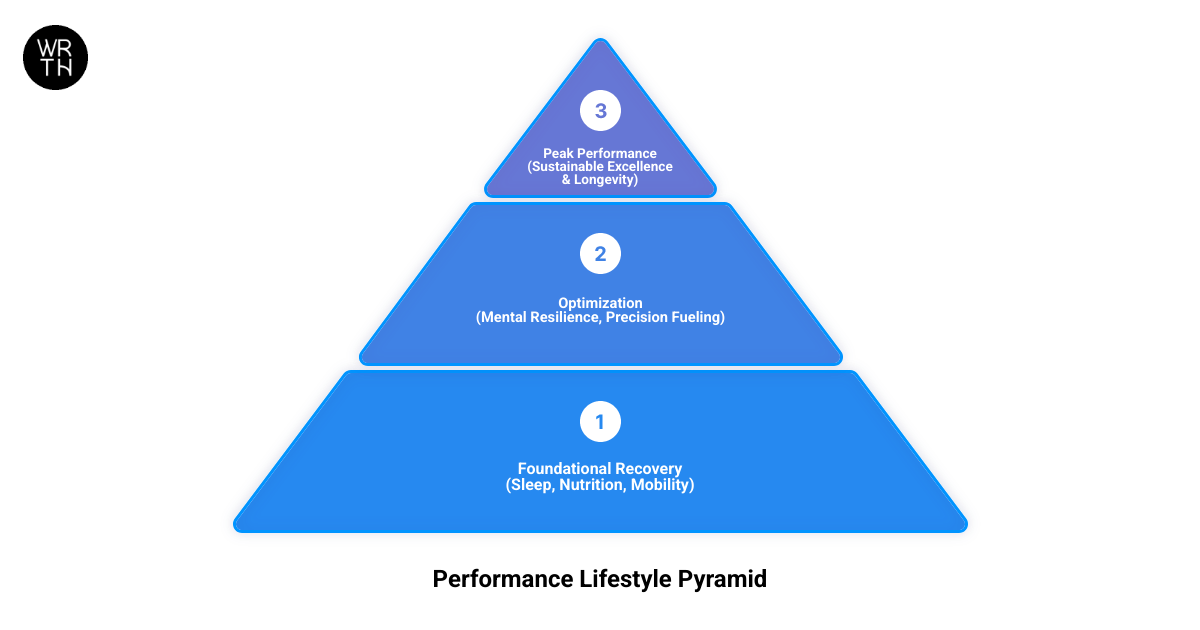
At its core, performance and wellness means creating a lifestyle that supports output, recovery, and resilience at the same time. For athletes, professionals, and everyday high performers, the same pillars keep showing up:
- Sleep
- Nutrition
- Mobility and movement quality
- Recovery
- Stress regulation
- Personalization
The reason these pillars matter is simple: your body does not separate work stress from training stress, and it definitely does not care whether your fatigue came from a boardroom, a red-eye flight, or leg day.
Research on workplace well-being shows that people with higher well-being tend to be more focused, make better decisions, and stay more emotionally resilient under pressure. That is one reason we see wellness as a performance input, not a luxury add-on. For a good overview of that connection, see this article on well-being and workplace performance.
There is also a hidden layer many people miss: background load. Your brain makes up roughly 2% of body mass, yet it uses about 20% of resting energy expenditure. Long bouts of mental work can reduce physical endurance by around 10% to 15%, even when muscle strength and cardiovascular output do not change. In plain English: being mentally fried can make your workout feel harder even if your body is technically capable.
That is why a real performance lifestyle includes both optimization and recovery.
Here is a simple comparison:
| Focus | Recovery | Optimization |
|---|---|---|
| Goal | Restore what stress depleted | Improve capacity for future demands |
| Examples | Sleep, hydration, post-training nutrition, rest days | Progressive training, mobility work, skill practice, periodized fueling |
| Timing | After stress or load | Before and during a performance cycle |
| Common mistake | Doing too little | Doing too much without enough recovery |
Mobility also belongs here. Good mobility is not about fancy stretching videos that make you question your life choices. It is about having enough range of motion and control to move well, produce force efficiently, and reduce injury risk. Functional movement supports lifting mechanics, sprinting, change of direction, posture, and even how comfortable you feel sitting at a desk.
And as highlighted in this piece on neglected factors that shape how we feel, factors like light exposure, noise, social stress, and cognitive overload can quietly erode performance long before a formal diagnosis shows up.
Sleep as the Ultimate Performance and wellness Multiplier
If we had to pick one pillar with the biggest payoff, sleep wins.
Sleep is where adaptation happens. It is where hormones rebalance, tissue repair accelerates, memory consolidates, and the nervous system resets. Restrict sleep to 4 to 5 hours per night for several days, and inflammatory markers can rise by 30% to 50%. At the same time, alertness, persistence, and mood tend to drop.
For athletes and executives alike, inadequate sleep is associated with lower endurance, slower reaction time, worse decision making, reduced peak force, higher perceived exertion, and poorer stress tolerance. In short, everything gets a little harder and a little sloppier.
Evidence-based sleep strategies include:
- Aim for 7 to 9 hours per night consistently
- Keep a regular sleep and wake time
- Reduce bright light exposure in the evening
- Avoid caffeine within about 8 hours of bed if you are sensitive
- Avoid very large meals within about 3 hours of bedtime
- Use short naps of 20 to 30 minutes when needed
- Build a 60 to 90 minute wind-down routine before sleep
Circadian rhythm matters too. Melatonin is sensitive to light, and even normal indoor lighting can be brighter than ideal late at night. If your evenings are full of overhead LEDs and phone glare, your body may get the message that it is still daytime.
Elite performers often “bank sleep” before travel, tournaments, or heavy work periods by prioritizing extra quality sleep in the days leading up to the event. It is not glamorous, but it works.
Mental Resilience and Stress Regulation
Mental performance is not just positive thinking with better branding. It is the ability to regulate your state.
Stress that is short and well-managed can sharpen performance. Stress that is chronic and unresolved can raise cortisol, disturb sleep, impair recovery, and reduce motivation. Over time, that affects not just mood but output.
A useful tool here is HRV, or heart rate variability. HRV gives us a practical window into autonomic balance. Generally speaking, higher HRV suggests more flexibility in recovery and regulation, while chronically low HRV may signal persistent stress or under-recovery.
Mental resilience practices that support performance include:
- Breathwork to lower physiological arousal
- Mindfulness to improve attention control
- Journaling or reflection to reduce cognitive clutter
- Movement breaks during long work periods
- Clear boundaries between work, training, and recovery
- Short self-checks on stress, sleep, soreness, and energy
This matters because sustained cognitive effort can alter neurotransmitter availability and increase perceived effort. That means hard thinking can reduce hard training quality. Managing mental load is not “soft.” It is practical physiology.
Precision Nutrition: The 4Ps Framework
Nutrition is one of the most powerful performance levers because it affects output, recovery, adaptation, body composition, immunity, sleep, and cognition. The most useful modern framework here is the 4Ps: Personalise, Periodise, Prefuel, and Prepare.
The 4Ps framework for nutritional strategies for optimal performance organizes fueling in a way that is practical and evidence-based.

Here is how we think about it:
- Personalise: Match nutrition to the individual
- Periodise: Match nutrition to the training phase and load
- Prefuel: Build glycogen and readiness before key efforts
- Prepare: Execute hydration, supplements, and in-event strategy
Why personalization matters: two people can eat the same plan and get different results because of body mass, training demands, sweat rate, digestion, biomarkers, schedule, and even caffeine sensitivity.
For many active people training 1 to 3 hours per day, carbohydrate intake often lands around 6 to 10 g per kg of body weight across the day. That is not a free pass to become emotionally attached to sports drinks, but it does show how important glycogen is for performance.
Post-training recovery is also time-sensitive. A practical evidence-based target is:
- 1.2 g carbohydrate per kg body weight
- 0.4 g protein per kg body weight
- Ideally within 30 minutes after training
That combination helps replenish glycogen and supports muscle repair.
Biomarkers and Personalized Fueling
Personalization gets much better when we look at actual data.
Useful biomarkers can include:
- Vitamin D
- Ferritin and iron status
- Glucose patterns
- Hormonal markers when appropriate
- Hydration status
- Sweat rate and sodium losses
The research highlighted a few important thresholds often used in active populations:
- Vitamin D above 75 nmol/L
- Ferritin above 50 ug/L
When those markers are low, energy, immunity, and recovery can suffer. This is one reason routine bloodwork can be valuable, especially during heavy training periods.
Genetics is interesting, but we should keep it in perspective. Current evidence supports limited use for most nutrition decisions, with caffeine sensitivity being one of the better-known applications. Genes such as CYP1A2 and ADORA2A may help explain why one person thrives on caffeine and another feels like they accidentally drank rocket fuel.
Other tools that can help personalize plans include:
- Continuous glucose monitors for selected cases
- Sweat testing for hydration strategy
- Body mass tracking before and after long sessions
- Food logs matched to training quality and GI comfort
- Wearables that combine sleep, recovery, and training load trends
The goal is not data for data’s sake. The goal is to make better decisions with fewer guesses.
Strategic Pre-Event Fueling
When performance matters, what you do in the 24 to 36 hours before an event matters too.
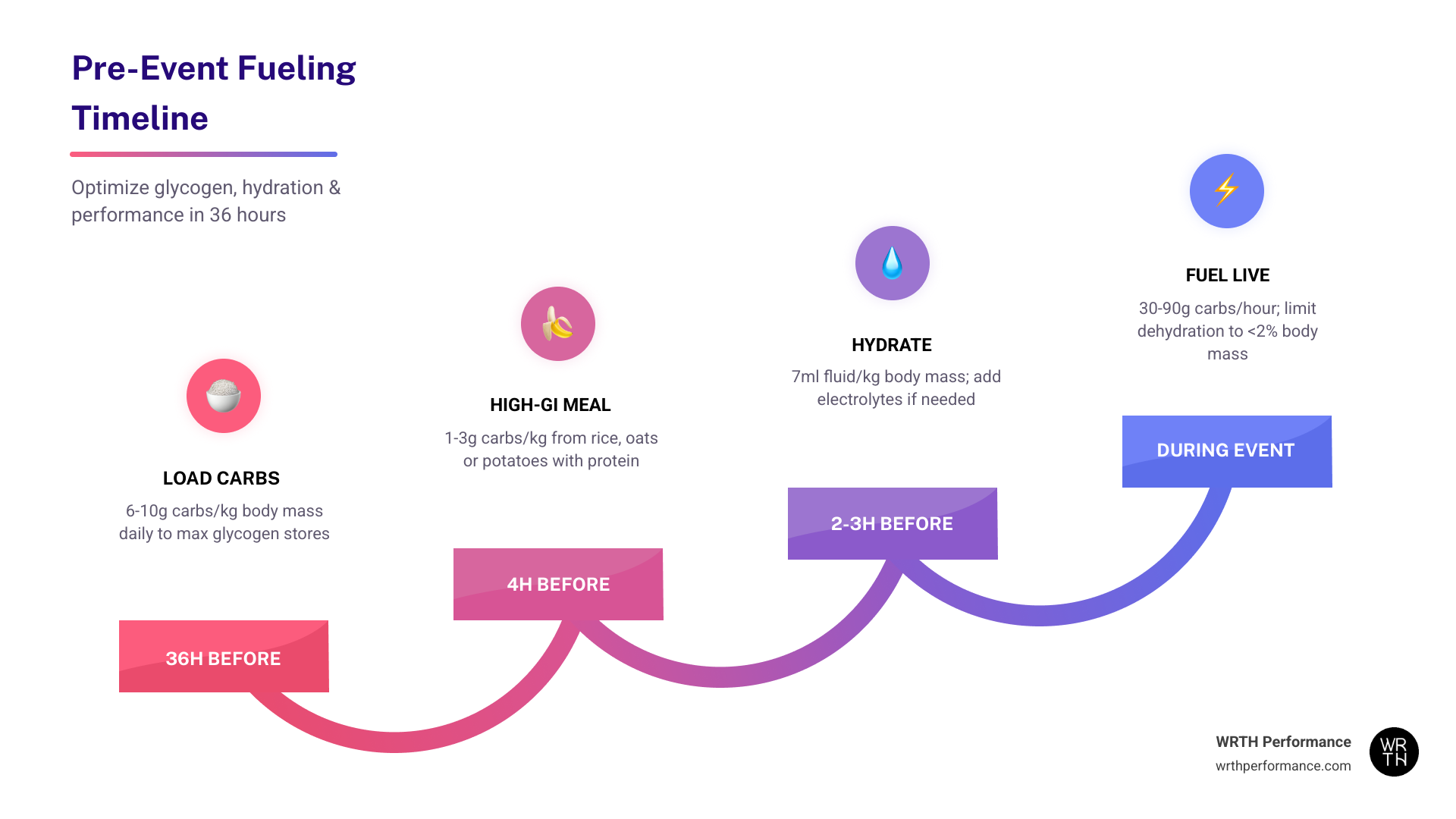
Evidence-based pre-event fueling guidelines include:
- 6 to 10 g carbohydrate per kg body mass per day for 24 to 36 hours to elevate glycogen stores
- 1 to 3 g carbohydrate per kg body mass from a high-GI meal 3 to 4 hours before the event
- Around 7 ml fluid per kg body mass 2 to 3 hours before the event
- Keep dehydration below 2% body mass loss during the event
For longer efforts, in-event fueling often falls in the range of 30 to 90 g carbohydrate per hour depending on duration, intensity, and gut tolerance.
Practical examples of pre-event meals:
- Rice with lean protein and fruit
- Oatmeal with banana and honey
- Bagel with jam and yogurt
- Potatoes with eggs and juice
Supplement preparation may also include caffeine or nitrates when appropriate. But this is where “prepare” matters: never try a brand-new supplement, dose, or race-day breakfast on the big day. Your gut will file a complaint.
Longevity: The New Standard for High Performers
Performance is not just about what you can do this month. It is also about what you can still do in 10, 20, and 30 years.
That is why longevity has become the new standard for high performers. We are not just chasing output. We are protecting capacity.
Our view aligns with Longevity: The New Performance Standard: the strongest plan is one that improves how you perform now while preserving how you move, think, and recover later.
Key markers of long-term performance include:
- VO2 max
- Grip strength
- Muscle mass
- Power
- Balance
- Mobility
- Recovery capacity
VO2 max can decline significantly with age, sometimes up to 15% per decade after 50 if untrained. Fast-twitch fibers also tend to atrophy over time, which affects speed, power, and the ability to do real-life tasks quickly and safely. Resistance training and strategic anaerobic work help preserve those qualities.
At the same time, an aerobic base remains essential for heart health, fat metabolism, work capacity, and recovery between harder efforts.
Integrating Performance and wellness for Life Transitions
One of the most useful ways to think about wellness is as performance currency. During transitions, it is often the thing that decides how well you adapt.
That could mean:
- Returning from injury
- Moving through a career change
- Entering retirement from sport
- Preparing for a trial, event, or demanding work season
The idea explored in Wellness as Performance Currency for Athletes is simple: when uncertainty rises, your wellness habits become the resource that keeps your thinking clear, movement sharp, and decisions stable.
In practice, that means:
- Protecting sleep first
- Using simple daily mobility to remove physical friction
- Maintaining a minimum effective dose of training
- Regulating stress with short, repeatable routines
- Paying attention to presentation and posture under pressure
That last point is not vanity. How you carry yourself often reflects your internal state and can shape first impressions in high-stakes moments.
Advanced Recovery and Niche Optimization
Once the fundamentals are strong, advanced recovery tools can add value.
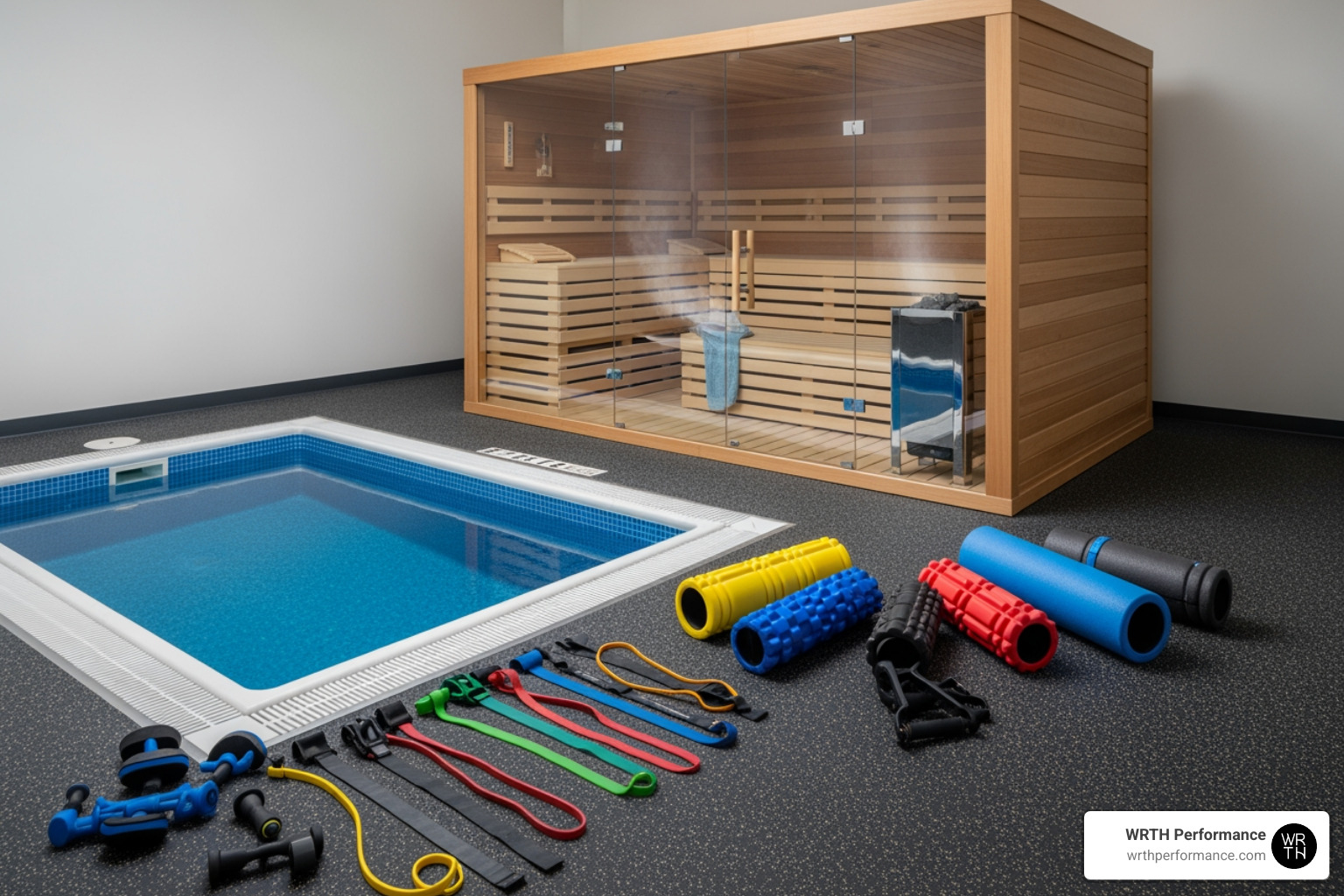
At WRTH Performance in Downtown Orlando, science-driven recovery options like sauna and cold plunge can support the broader performance plan when used intelligently.
Potential uses include:
- Sauna for relaxation, circulation, and heat adaptation support
- Cold plunge for short-term soreness management and state change
- Contrast or sequencing based on training goal and timing
- Time-restricted eating in selected cases where it does not compromise fueling
- Manual therapies to address tissue restrictions when indicated
The key is context. Advanced recovery should support fundamentals, not replace them. If sleep, fueling, and load management are weak, an ice bath will not save the day. It will just make you cold and still under-recovered.
Building Your Multidisciplinary Support Team
Peak performance is rarely a solo project.
The strongest setups use a multidisciplinary approach, especially when goals are ambitious or injury history is complex. As outlined in this infographic on multidisciplinary care for elite athlete performance, the best results often come from coordinated support across training, nutrition, recovery, and health.
A support team may include:
- Strength and conditioning coaches
- Exercise physiologists
- Nutrition professionals
- Physical therapists
- Chiropractic or manual therapy providers when appropriate
- Sports medicine physicians
- Recovery specialists
Each plays a different role:
- Coaches build capacity and progression
- Exercise physiologists assess output and aerobic systems
- Nutrition experts tailor fueling and recovery
- Physical therapists restore movement and guide return-to-play
- Manual therapy providers may help with pain modulation and movement quality
- Medical professionals evaluate underlying issues and risk
One best practice from performance settings is to start with a quality musculoskeletal or orthopedic evaluation before pushing training volume hard. This helps identify movement limitations, joint concerns, and weak links that could become bigger problems later.
Technology can help too. Useful tools include:
- HRV tracking
- Sleep tracking
- Training load monitors
- GPS and motion sensors in sport settings
- Readiness questionnaires
- Sweat and hydration testing
Wearables are not perfect, but they can help catch trends early, especially overtraining, poor sleep, or accumulating fatigue. The best approach is to combine device data with human coaching and self-awareness.
Frequently Asked Questions about Performance Wellness
What is the difference between fitness and performance wellness?
Fitness usually refers to physical qualities such as strength, endurance, flexibility, and body composition.
Performance wellness is broader. It includes fitness, but also:
- Sleep quality
- Stress regulation
- Recovery strategy
- Nutrition timing
- Mental clarity
- Biomarker awareness
- Long-term resilience and longevity
In other words, fitness asks, “What can your body do?” Performance wellness asks, “Can your body and mind do it consistently, recover from it, and keep doing it for years?”
How does mental fatigue affect physical endurance?
Mental fatigue can make physical effort feel harder and reduce endurance, even when muscle strength, oxygen uptake, and cardiovascular function stay the same. Research suggests prolonged cognitive tasks can reduce endurance performance by roughly 10% to 15%.
Why? Because the brain is energy-hungry, and sustained focus changes how effort is perceived. If you have ever had a brutal workout after a brutal day of meetings, you have already met this phenomenon personally.
What are the most common mistakes in a performance lifestyle?
The biggest mistakes we see are:
- Training hard without sleeping enough
- Underfueling, especially carbohydrates around demanding sessions
- Ignoring hydration and electrolyte needs
- Chasing advanced recovery tools before mastering basics
- Neglecting immunity during high training loads
- Treating stress as normal instead of measurable
- Using one-size-fits-all plans
- Returning to full intensity too fast after injury or illness
- Failing to periodize training and nutrition
A related mistake is confusing exhaustion with productivity. They are not the same thing. One gets applause on social media; the other gets results.
Conclusion
Performance and wellness is not about doing everything. It is about doing the right things consistently, in the right order.
For us, that means building from the ground up:
- Sleep and recovery
- Personalized training
- Smart nutrition
- Mobility and movement quality
- Stress regulation
- Longevity-focused planning
At WRTH Performance, our private membership model in Downtown Orlando is designed around exactly that idea: limited clientele, personalized coaching, state-of-the-art equipment, and science-driven recovery including sauna and cold plunge, all with a long-term view of performance.
If you want more than random workouts and guesswork, and you are ready to train with a system built for both peak output and lasting health, achieve your peak performance.
