
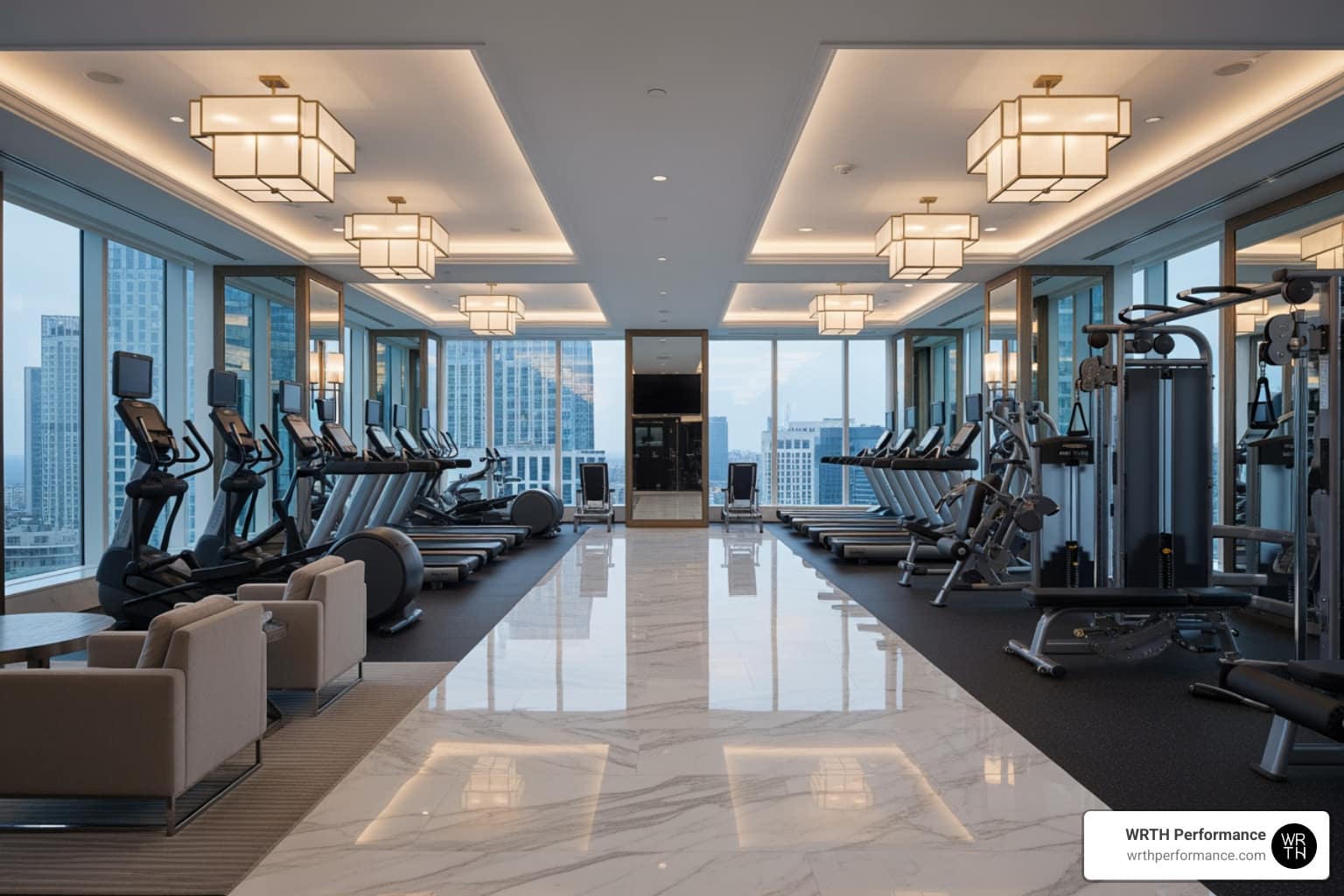
What Are High-End Health Clubs — And Are They Worth It?
If you’re weighing your options for high-end health clubs, understand the standards that define the world’s most elite facilities. According to the American College of Sports Medicine, the shift toward personalized, data-driven fitness and recovery is a primary driver in the luxury wellness sector.
| Club Category | Focus Area | Signature Features |
|---|---|---|
| Elite Performance | Athletic Output | Metabolic testing, underwater treadmills, pro-level coaching |
| Private Boutique | Exclusivity | Capped membership, total privacy, 1:1 attention |
| Wellness Sanctuary | Holistic Health | Infrared saunas, cold plunges, PEMF therapy |
| Athletic Country Club | Lifestyle & Community | Resort amenities, co-working, family integration |
| Urban Flagship | Convenience & Luxury | Prime locations, spa-level locker rooms, boutique studios |
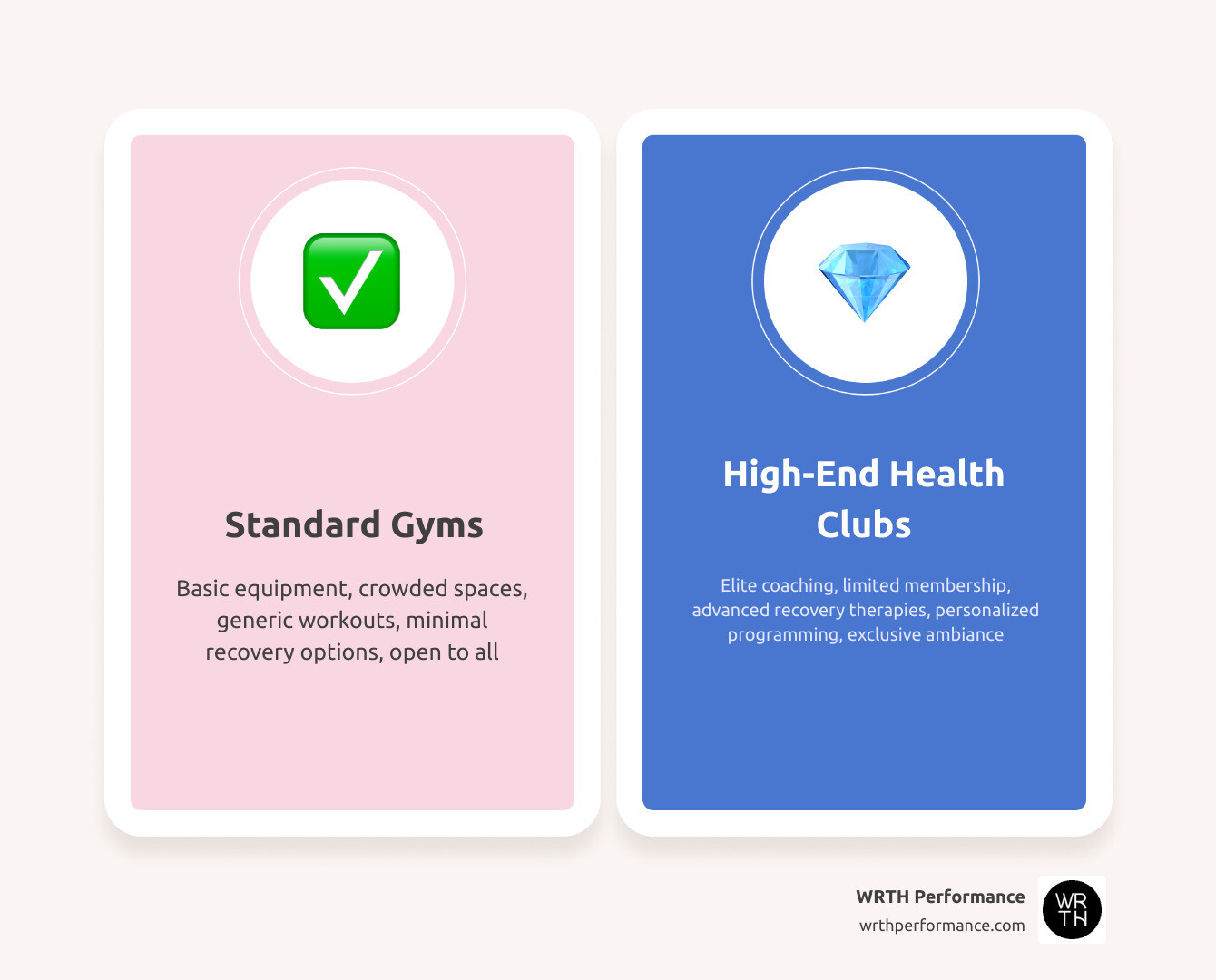
Most gyms give you equipment and a membership card. High-end health clubs give you something different — a complete environment built around your performance, recovery, and results.
We’re talking about places where membership is intentionally limited, trainers are elite-certified, and recovery goes well beyond a foam roller in the corner. These clubs blend cutting-edge technology, spa-level amenities, and personalized programming into one seamless experience.
The gap between a standard gym and a true luxury health club isn’t just about price. It’s about what you get access to — and what that access makes possible.
I’m Jason Kasheta, a personal trainer and exercise science professional with 20+ years of experience helping people break through performance plateaus — and I’ve spent considerable time studying what separates the best high-end health clubs in the world from everything else. That research directly shaped the model behind WRTH Performance. In this review, I’ll break down the top club models, what they do right, and what you should look for when evaluating your options.
What Defines the Modern High-End Health Club?
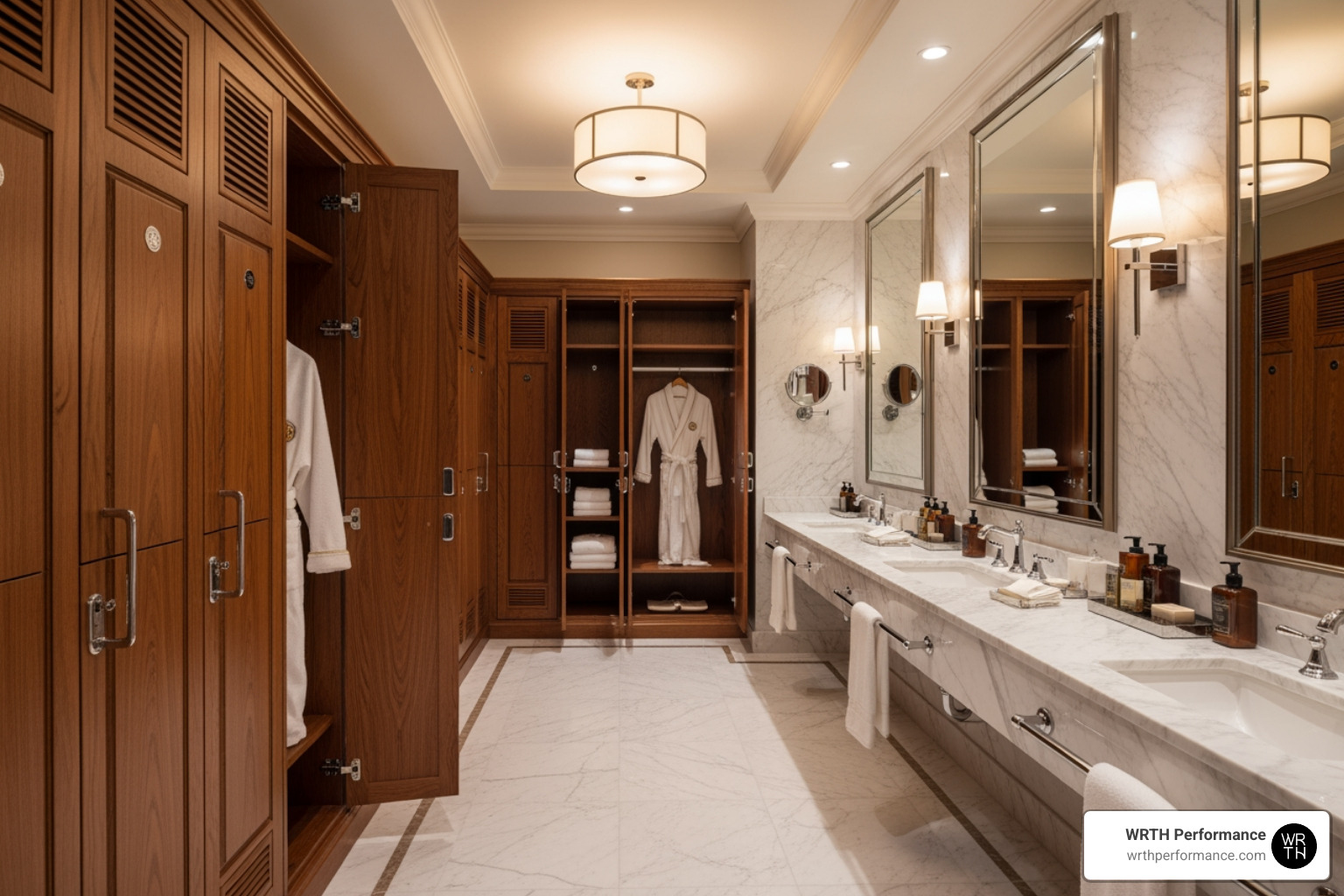
A modern high-end health club is defined by its ability to provide a frictionless, curated experience that addresses the “whole person.” It isn’t just a room full of heavy things to lift; it is a sanctuary designed to optimize human potential. In these spaces, the ambiance is closer to a five-star hotel or a private members’ club than a traditional fitness center.
We see this in the award-winning designs that incorporate local culture and high-end materials like oak lockers and marble finishes. But the luxury goes deeper than aesthetics. It’s about privacy standards and community features that ensure you aren’t fighting for a squat rack or dodging a camera-wielding influencer.
Leading clubs are now integrating proprietary technology and AI health profiling to remove the guesswork from fitness. This shift moves the focus from short-term “beach body” goals to a more sustainable model where Longevity: The New Performance Standard takes center stage. By using data-driven insights, these clubs help members stay active and high-performing for decades, not just seasons.
Exclusive Class Formats in High-End Health Clubs
In the luxury sector, group fitness is reimagined as a boutique studio experience. Instead of generic “aerobics,” members have access to highly specialized formats. We often see clubs housing five or more distinct boutique brands under one roof, including:
- Rhythm Cycling: High-energy, choreographed rides in sound-insulated theaters.
- Reformer Pilates: Precision-based core work using the latest reformer technology to improve mind-body connection.
- Bio-hacking Workshops: Educational sessions on sleep, stress management, and metabolic health.
- Performance Boxing: Pro-level training that emphasizes technique alongside conditioning.
By offering these varied modalities, boutique gym services within a larger club framework provide the variety of a specialized studio with the convenience of a full-service facility.
High-End Health Clubs and the Future of Personal Training
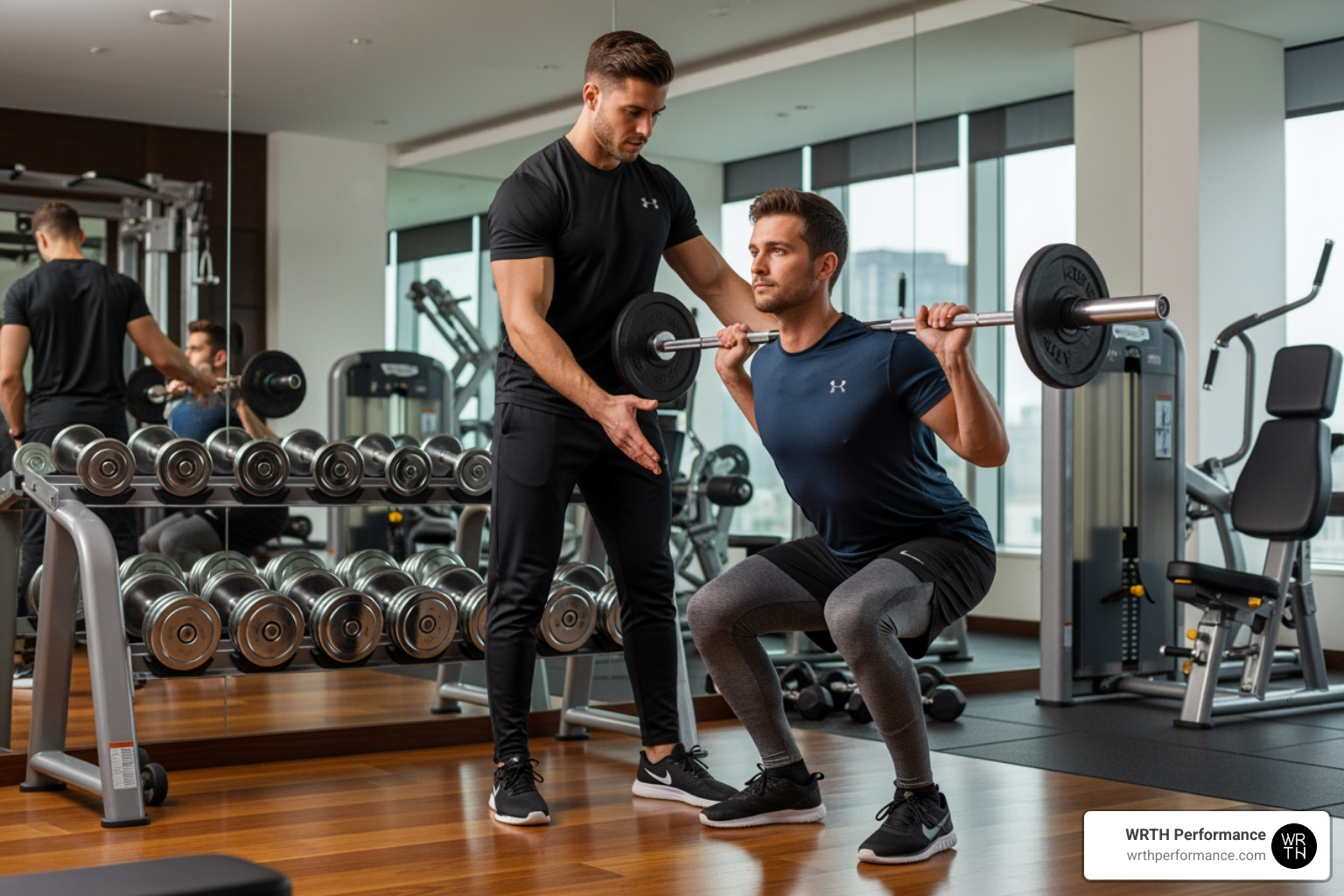
Personal training in a high-end environment is a far cry from a trainer simply counting reps. It has evolved into a comprehensive coaching model. At the top tier, trainers are often required to hold advanced certifications (such as CSCS or equivalent master-level credentials) and work alongside a medical advisory board.
The future of personal training services is rooted in science. This includes:
- Metabolic Assessments: Using breath analysis to determine exactly how your body burns fuel.
- Advanced Performance Coaching: A holistic approach that covers movement, nutrition, sleep, and behavioral habits.
- Data-Driven Programming: Using wearable tech data and movement screenings to build bespoke plans that evolve in real-time.
The Gold Standard: Evaluating the World’s Top High-End Health Clubs
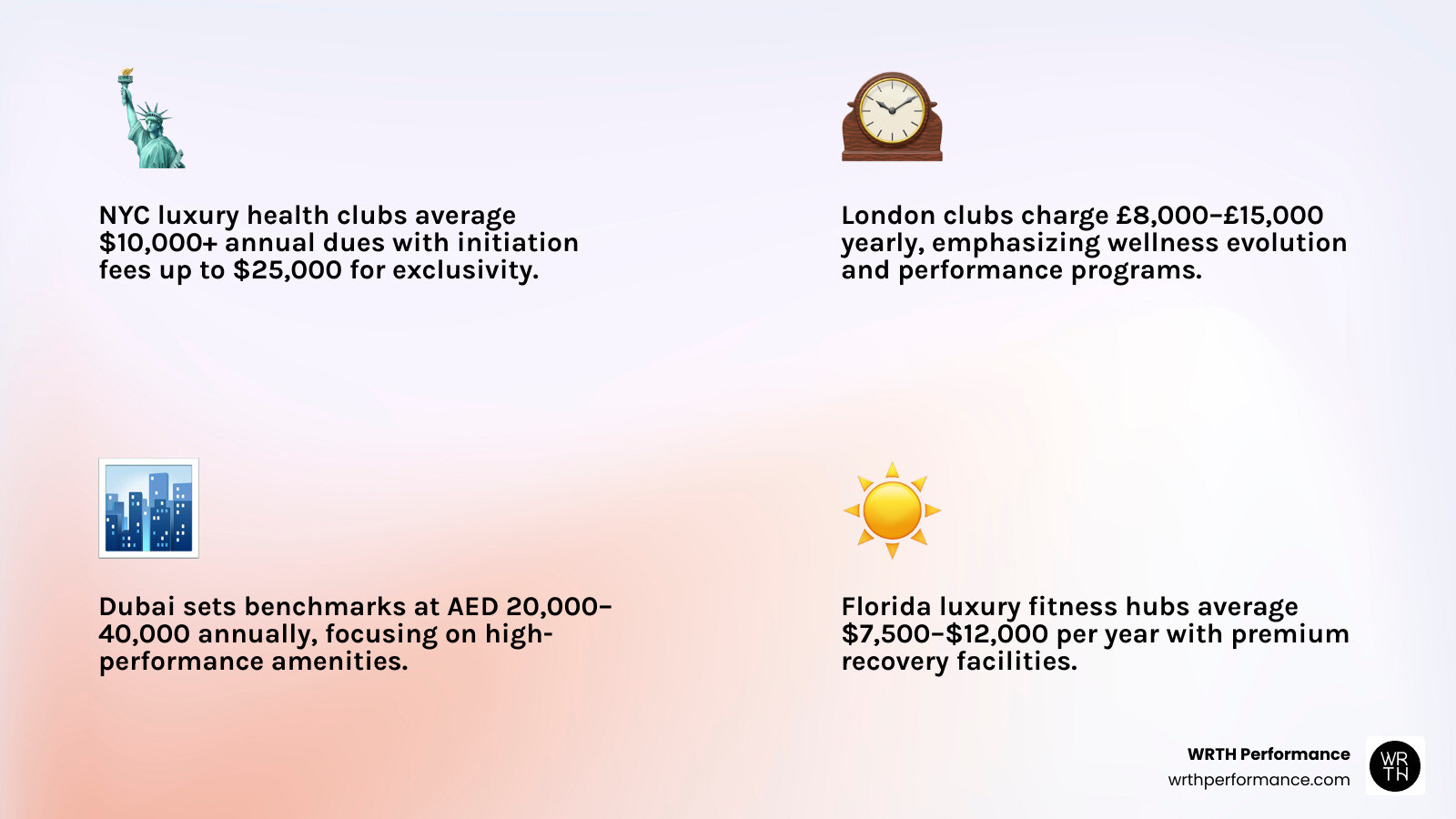
When we look at the global landscape of high-end health clubs, certain cities set the benchmark. In New York City, exclusivity is the primary currency. The most prestigious facilities limit their entire membership to just 200 people to ensure total privacy and personalized attention. Meanwhile, London’s wellness evolution focuses on “Athletic Performance Programmes” that blend ancient Eastern healing with aggressive Western sports science.
The costs reflect this level of service. While a standard big-box gym might cost $50–$100 a month, luxury clubs operate on a different scale.
Membership Models in High-End Health Clubs
Luxury clubs utilize several pricing models to maintain their standards:
- The Initiation Model: High upfront fees (sometimes reaching $25,000) act as a “buy-in” to the community, often seen in athletic country clubs.
- Limited Enrollment: Capping memberships (e.g., to 200 or 500 people) to prevent overcrowding.
- Concierge Services: Some clubs offer “E” or “Executive” tiers that include private laundry service, permanent locker rentals, and even private changing cabanas.
- Short-Term Intensives: Programs like 28-day body transformations that include doorstep-delivered nutrition and daily 1:1 coaching.
Elite Amenities and Recovery Facilities
The amenities at high-end health clubs are designed to remove every possible barrier to your workout. We are talking about eucalyptus-chilled towels, Malin+Goetz or Le Labo products in the showers, and ICU-grade air sanitation systems.
Beyond the locker room, these clubs serve as lifestyle hubs. You’ll find organic cafes serving Michelin-standard healthy fare, integrated co-working spaces for the “work-from-gym” professional, and even rooftop sun decks or saline pools. When you look at the 10 best luxury fitness gyms compared, the common thread is that they provide a “third space” that feels better than home or the office.
Advanced Recovery and Longevity Therapies
Perhaps the biggest differentiator in 2026 is the focus on “regeneration.” High-end clubs have moved past simple steam rooms to offer medical-grade recovery suites.
- Infrared Saunas: Unlike traditional saunas, infrared sauna therapy uses light to create heat, penetrating deeper into the muscle tissue to promote detoxification and relaxation.
- Cold Plunge: Used by elite athletes to reduce inflammation and improve mental resilience, cold plunge therapy is now a staple of the luxury routine.
- PEMF and Red Light Therapy: PEMF and red light therapy work at a cellular level to speed up healing, improve skin health, and boost mitochondrial function.
- Hyperbaric and IV Nutrition: Some clubs offer on-site IV drips to replenish nutrients directly into the bloodstream after intense training.
Frequently Asked Questions about Luxury Health Clubs
What is the average cost of a high-end health club membership?
Costs vary wildly based on the level of personalization. “Entry-level” luxury clubs may charge $200–$400 per month with a modest initiation fee. However, ultra-exclusive clubs in major hubs often require initiation fees of $2,500 to $25,000, with annual dues ranging from $10,000 to $35,000.
What unique amenities set luxury clubs apart from standard gyms?
Beyond the equipment, luxury clubs offer “continuum of care” services. This includes on-site physical therapists, nutritionists, and medical concierge services. Amenities often include saline pools, private Pilates studios, executive locker rooms with laundry service, and advanced recovery tools like cryotherapy and PEMF mats.
How do these clubs ensure member privacy and exclusivity?
Exclusivity is maintained through capped membership numbers and strict guest policies. Many high-end health clubs also feature “standalone” private training floors or member-only lounges where photography is strictly prohibited, ensuring that high-profile individuals can train without distraction.
Conclusion
The shift toward high-end health clubs represents a realization that fitness is not a commodity—it is an investment in your most valuable asset: your body. By combining elite coaching, science-driven recovery, and an environment that inspires performance, these clubs make it easier to achieve and maintain peak health.
At WRTH Performance in Downtown Orlando, we have taken these global standards and distilled them into a private membership experience. We focus on performance and longevity through a limited, capped membership model that ensures you never have to wait for equipment or compromise on your recovery.
Whether it’s our state-of-the-art strength floor, our dedicated recovery lab featuring PEMF and red light therapy, or our 1:1 personalized training, we are here to help you redefine what is possible. If you are in the Orlando area and ready to move beyond the standard gym experience, we invite you to discover the ultimate in high-end health.
