

How to Find the Right Personal Trainer Near You
If you are looking for a personal trainer near me, start by comparing trainers on four essentials: verified certification or education, experience with your goal, a coaching style that fits you, and a format you can sustain. Book a consultation or trial session before buying a large package, then ask how they assess movement, track progress, adapt training, and handle schedule changes.
A strong local trainer does more than count reps. They build a plan around your starting point, whether you want more strength, better performance, body-composition changes, or more confidence in the gym. For busy professionals and athletes, the right environment matters too: privacy, quality equipment, clear accountability, and recovery options can make consistency much easier.
I am Jason Kasheta, a Florida-based trainer with 20 years of experience in strength, fitness, and nutrition coaching, and I have helped more than 1,000 people make smarter decisions when looking for a personal trainer near me. Here is how to evaluate your options and choose a coach who supports your long-term goals.
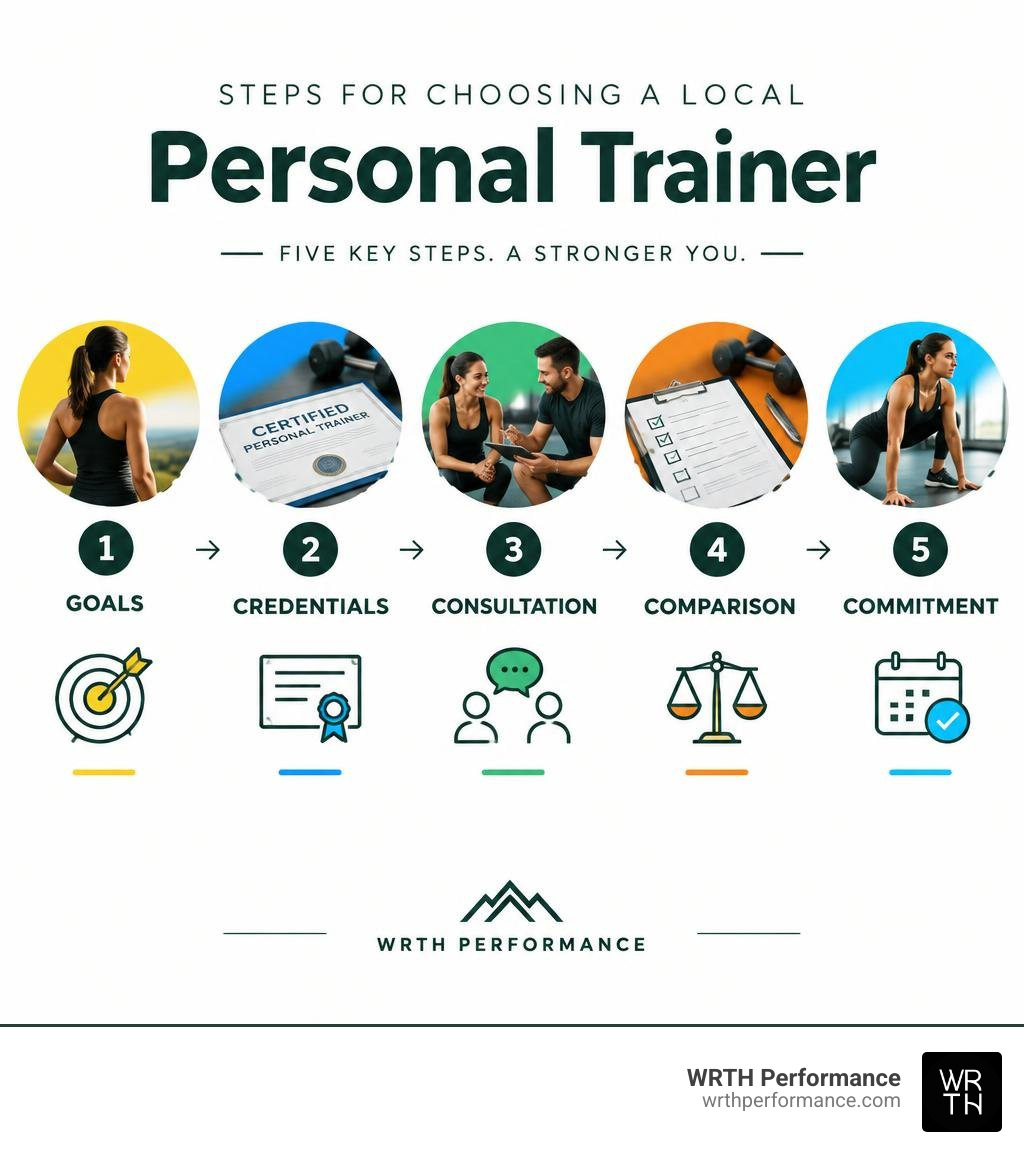
Looking for a personal trainer near me word roundup:
- in person personal trainer
- personal trainer fees per hour
- basketball personal trainer
- personal trainer
Core Credentials and Formats to Evaluate in a Coach
Choosing a fitness coach is an investment in your health, time, and physical longevity. It requires sorting through dozens of online profiles, social media pages, and local gym rosters to identify a true fitness professional. Not every enthusiastic lifter is equipped to analyze movement patterns, program progressive overload, or tailor routines around existing joint discomfort.
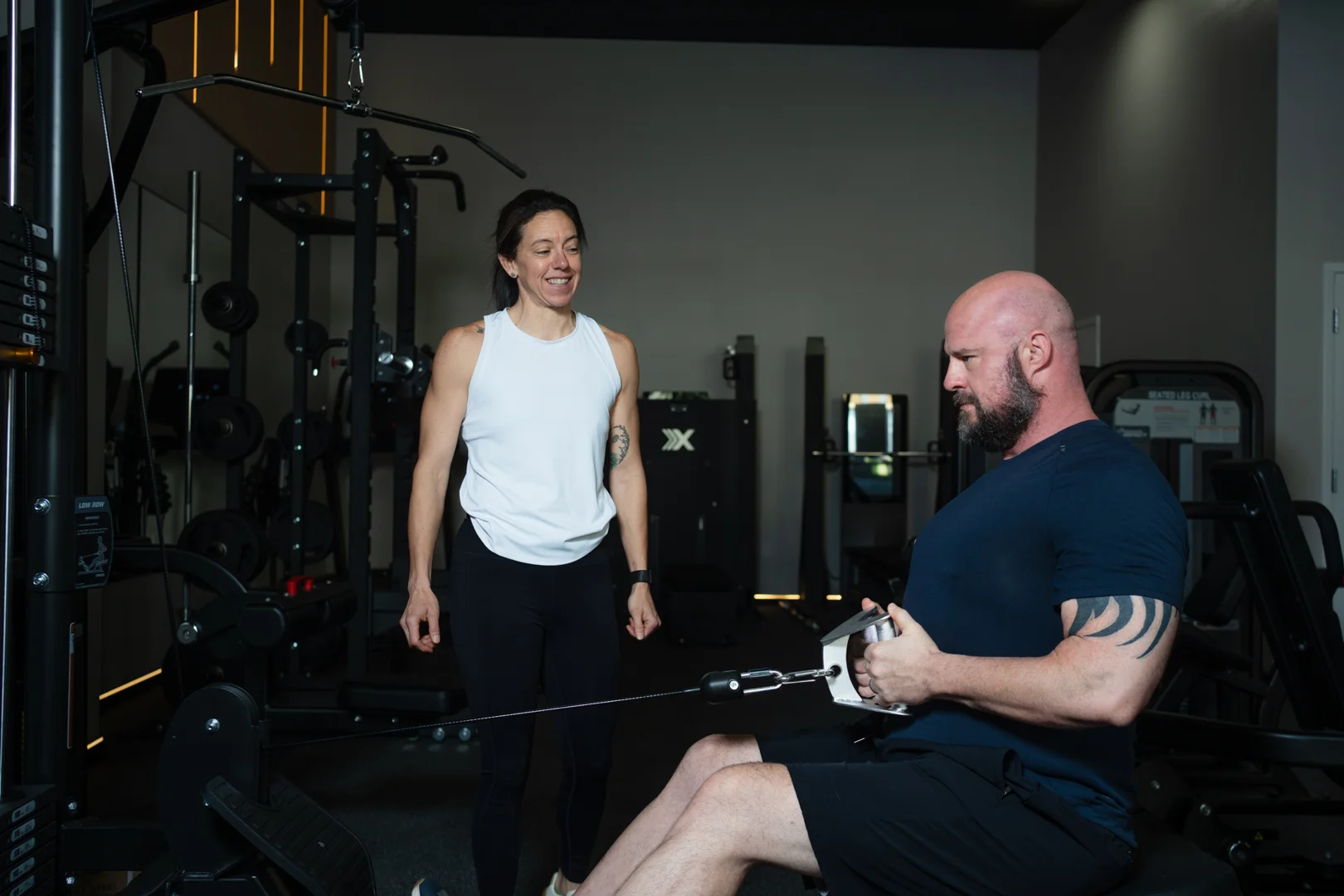
When reviewing prospective coaches, start with verified credentials and industry tenure. Understanding proven strategies to find gym personal training near me helps you filter out underqualified instructors and focus on professionals with accredited training.
Verifying Certifications and Specialty Experience
A reputable personal trainer should hold a credential accredited by the National Commission for Certifying Agencies (NCCA). Organizations such as the National Academy of Sports Medicine (NASM), the American Council on Exercise (ACE), the National Strength and Conditioning Association (NSCA), and the International Sports Sciences Association (ISSA) require comprehensive examinations covering exercise physiology, functional anatomy, biomechanics, and program design. Alternatively, education in a field like kinesiology, biomechanics, or exercise science represent the highest standard in the fitness industry.
Beyond baseline certifications, check for specialty credentials aligned with your individual goals:
- Corrective Exercise Specialist (CES): Focuses on kinetic chain alignment, postural deviations, and movement mechanics.
- Performance Enhancement Specialist (PES) or Certified Strength and Conditioning Specialist (CSCS): Designed for athletic development, power production, and sport-specific conditioning.
- Certified Nutrition Coach (CNC): Provides evidence-based nutrition counseling and habit tracking to complement training.
Always verify their years of practical coaching. A trainer who has delivered thousands of hours of one-on-one sessions will instinctively recognize subtle movement compensations, know when to adjust an exercise on the fly, and understand how to manage fatigue.
Comparing One-on-One, Small Group, and Hybrid Training
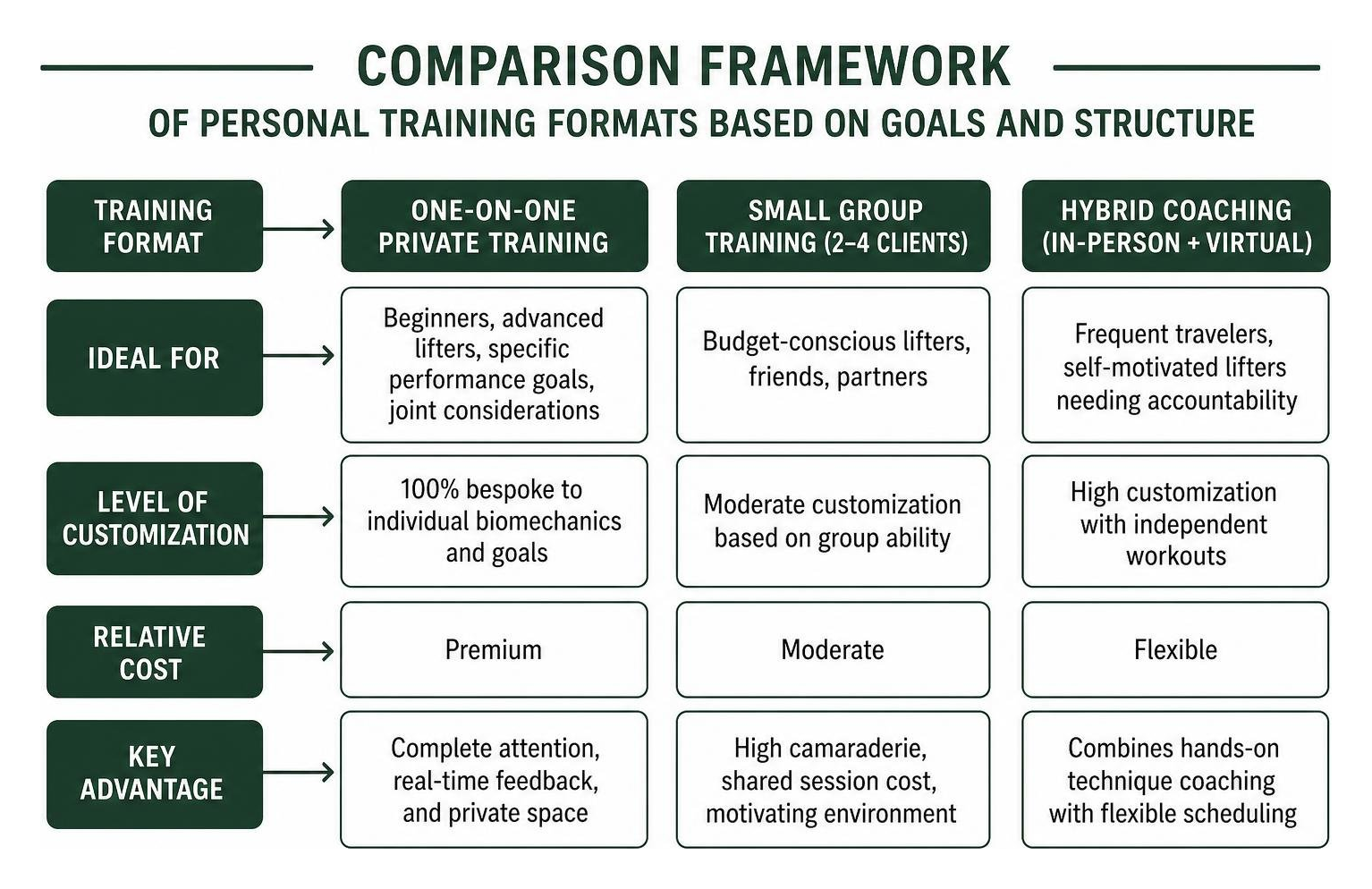
Personal training is offered in several formats, each suited to different schedules, budgets, and accountability needs. Comparing these models helps identify the right structure before committing to a package.
| Training Format | Ideal For | Level of Customization | Relative Cost | Key Advantage |
|---|---|---|---|---|
| One-on-One Private Training | Beginners, advanced lifters, specific performance goals, joint considerations | 100% bespoke to individual biomechanics and goals | Premium | Complete attention, real-time feedback, and private space |
| Small Group Training (2–4 clients) | Budget-conscious lifters, friends, partners | Moderate customization based on group ability | Moderate | High camaraderie, shared session cost, motivating environment |
| Hybrid Coaching (In-Person + Virtual) | Frequent travelers, self-motivated lifters needing accountability | High customization with independent workouts | Flexible | Combines hands-on technique coaching with flexible scheduling |
Exploring different in-person fitness coaching options makes it easier to select a structure that balances individual attention with long-term affordability.
Navigating Session Rates and Training Environments
Pricing across the fitness industry varies widely based on geographic location, coach credentials, facility quality, and the level of service provided. Understanding typical market pricing ensures you receive genuine value from your training investment.
Evaluating understanding hourly personal trainer fees gives you a clear baseline of what to expect across different session structures.
Breakdown of Package Costs and Memberships
Personal training rates generally fall into three tiers:
- Single Drop-In Sessions: Rates typically range from $60 to $150+ per hour depending on trainer expertise and market tier. Single sessions are ideal for an initial trial or periodic form check-ins, though they carry the highest per-hour cost.
- Session Bundles (5, 10, or 20 packs): Purchasing multi-session packages reduces the per-session rate. Five- to ten-session packages provide enough runway to establish baseline habits, evaluate coaching compatibility, and build momentum.
- Monthly Coaching Memberships: Comprehensive monthly packages often combine scheduled private sessions, independent programming, nutrition guidance, and access to wellness amenities. These arrangements offer the lowest cost per touchpoint and provide built-in accountability.
Choosing the Right Training Environment
Where you train matters as much as who coaches you. Commercial big-box gyms often suffer from overcrowded weight rooms, shared equipment delays, distracting noise, and limited privacy. This can compromise session efficiency and focus.
In contrast, choosing a private club or boutique fitness environment provides a focused setting with open equipment access. Exploring private personal trainer and fitness club benefits highlights how a controlled setting improves both physical progress and privacy.
Furthermore, experiencing the distinct boutique gym advantages – such as dedicated coaching bays, spotless facilities, and integrated recovery suites – ensures your workout time is spent lifting and recovering rather than waiting for machines.
What to Expect When Looking for a Personal Trainer Near Me
A professional coaching relationship should begin with an intake and diagnostic process, not immediate heavy lifting.
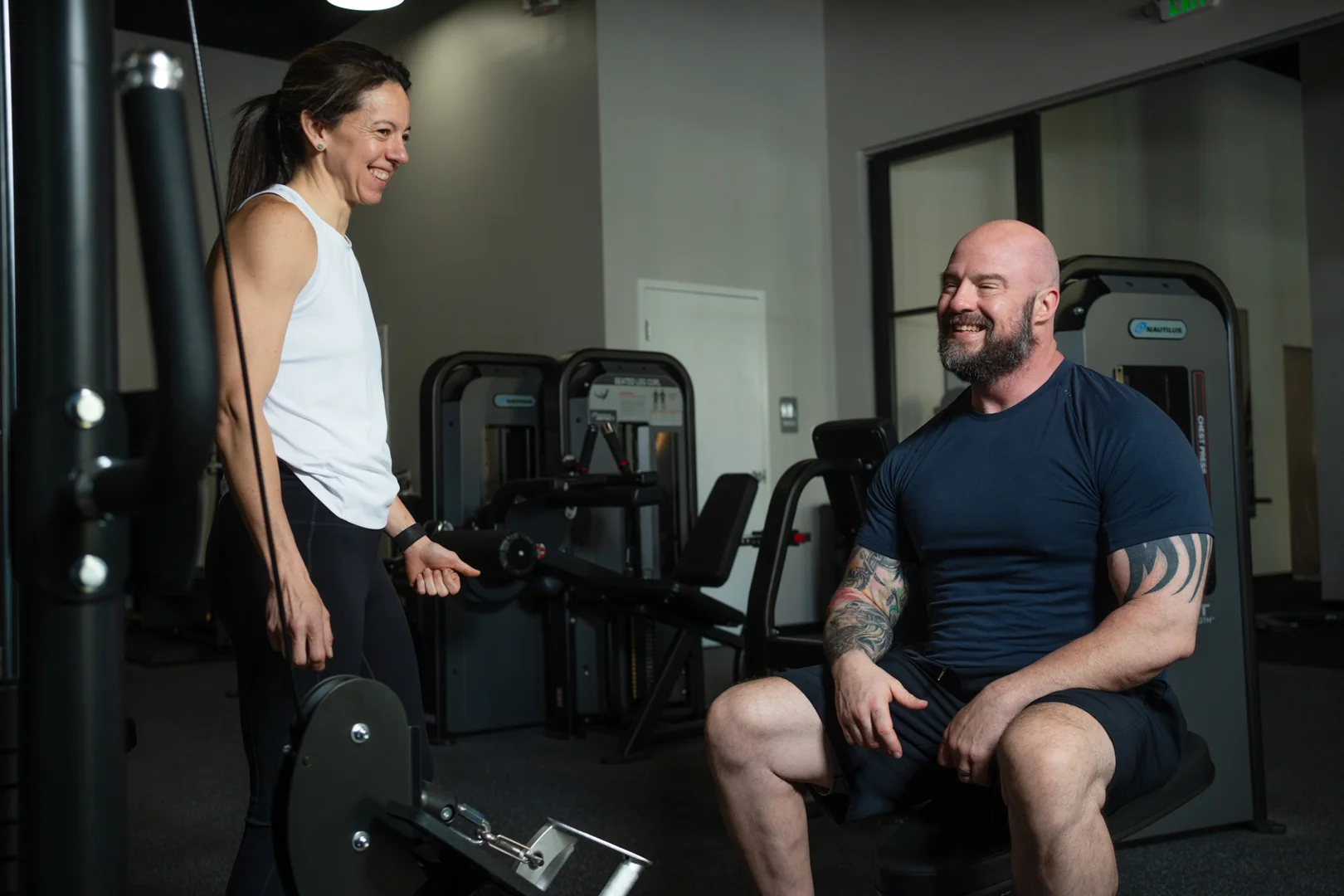
When someone begins searching for a local coach, their initial consultation should prioritize safety, assessment, and mutual fit. Applying functional personal training methods ensures your program builds real-world movement competence rather than just aesthetic fatigue.
Initial Assessments and Trial Sessions
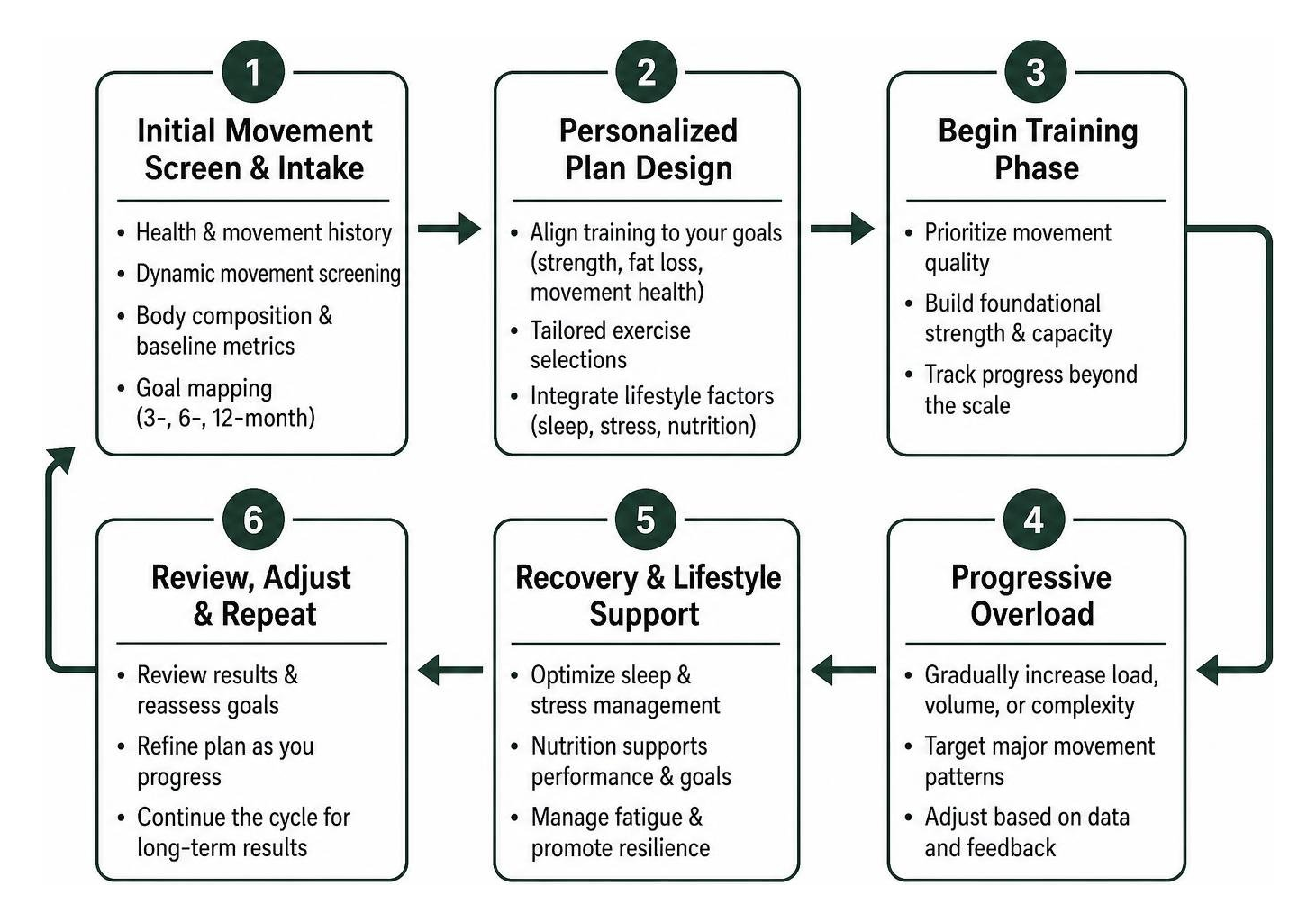
Your first appointment should establish your movement baseline and lifestyle context. A professional intake includes:
- Health & Movement History Review: Discussing prior injuries, daily activity levels, movement limitations, and schedule demands.
- Dynamic Movement Screening: Evaluating squat depth, hip hinge mechanics, thoracic mobility, ankle dorsiflexion, and core stability before adding external resistance.
- Body Composition & Baseline Metrics: Using precise body composition tools (such as bioelectrical impedance or calipers) rather than relying solely on bathroom scale weight, which fails to distinguish between lean muscle mass and fat tissue.
- Goal Mapping: Defining measurable milestones for strength, mobility, stamina, and body composition over 3-, 6-, and 12-month timelines.
Key Questions to Ask When Looking for a Personal Trainer Near Me
During your consultation, ask direct questions to evaluate the coach’s philosophy, structure, and operational standards:
- “What specific accredited certifications or education do you hold, and what continuing education have you completed recently?”
- “How do you tailor exercise selections for my specific body proportions, posture, and past joint issues?”
- “What does your progress tracking system look like beyond simply weighing in?”
- “How do you integrate lifestyle factors such as sleep, stress management, and nutrition into your training plans?”
- “What is your cancellation, rescheduling, and package expiration policy?”
- “Can you share specific examples of clients you have coached with goals or challenges similar to mine?”
Aligning Training Modalities with Your Long-Term Goals
A trainer’s programming must directly match your personal definition of success. Whether preparing for sports performance, building functional hypertrophy, or prioritizing joint health for decades to come, the training structure must reflect that vision.
Understanding high-performance personal training principles helps bridge the gap between simple workouts and purposeful physical conditioning.
Programming for Strength, Weight Loss, and Movement Health
- Hypertrophy and Muscle Building: Prioritizes structured progressive overload, targeted mechanical tension, and sufficient volume across major movement patterns (squat, hinge, push, pull, carry).
- Fat Loss & Metabolic Conditioning: Combines multi-joint compound resistance training with strategic rest intervals to maximize caloric expenditure while preserving lean metabolically active muscle.
- Posture Correction & Joint Mobility: Integrates corrective exercise, multi-planar movement, and stability work to reverse the postural strain of prolonged desk work and sedentary routines.
Mistakes to Avoid When Looking for a Personal Trainer Near Me
To protect your investment and avoid physical setbacks, watch out for these common warning signs:
- Skipping the Baseline Assessment: Any trainer who loads heavy weight on your first day without screening movement quality is risking your safety.
- One-Size-Fits-All Workouts: Avoid coaches who put every client through the exact same circuit routine regardless of age, mobility, or goals.
- Promising Unrealistic Timelines: Sustainable fat loss and muscular adaptations take consistent effort over months. Avoid trainers making rapid transformation claims.
- Distracted In-Session Coaching: Your coach should be actively observing your form, counting tempo, and making mechanical adjustments – not checking their smartphone.
Frequently Asked Questions About Finding a Local Trainer
How often should I train with a coach each week?
Most individuals see meaningful progress by training 2 to 3 times per week with a coach. A frequency of 2 sessions per week establishes movement consistency, technical proficiency, and progressive strength development. Training 3 times per week accelerates strength and body composition outcomes while allowing adequate recovery between sessions. For those on a budget or with busy schedules, 1 weekly session paired with a customized independent homework routine can also deliver consistent results.
What credentials are most respected in personal training?
The most respected certifications are accredited by the NCCA, including NASM (National Academy of Sports Medicine), NSCA (National Strength and Conditioning Association), ACE (American Council on Exercise), and ISSA (International Sports Sciences Association). For specialized performance goals, the NSCA-CSCS (Certified Strength and Conditioning Specialist) is regarded as the premier credential for strength coaching. Alternatively, education in a field like kinesiology, biomechanics, or exercise science represent the highest standard in the fitness industry.
Can I work with a trainer if I have previous joint discomfort?
Yes, provided you work with a trainer educated in corrective exercise and functional movement mechanics. A qualified coach will assess your joint limitations, avoid aggravating positions, and select low-impact regressions – such as neutral-grip dumbbell presses, elevated trap-bar deadlifts, or belt squats – to safely strengthen supporting musculature without placing excessive strain on vulnerable joints.
Conclusion
Finding the right local personal trainer comes down to aligning expertise, structured movement assessments, and a training environment designed for long-term consistency. At WRTH Performance in Downtown Orlando, we focus on helping clients build durable strength, enhance physical performance, and optimize health.
Our private facility combines state-of-the-art strength equipment with advanced, science-driven recovery therapie – including infrared sauna, cold plunge, PEMF therapy, and red light therapy – alongside expert nutrition coaching. To maintain an exclusive, focused, and distraction-free training floor, membership is intentionally capped.
Explore our customized personal training programs and discover how targeted coaching and integrated recovery support your long-term fitness goals.
